Practical writing on 3D printing, materials and light — the things worth knowing before you order anything.
6 min read
The question we get most often, and the only one without a single answer. Here's what really goes into the price — and what you can change before you send the model.
7 min read
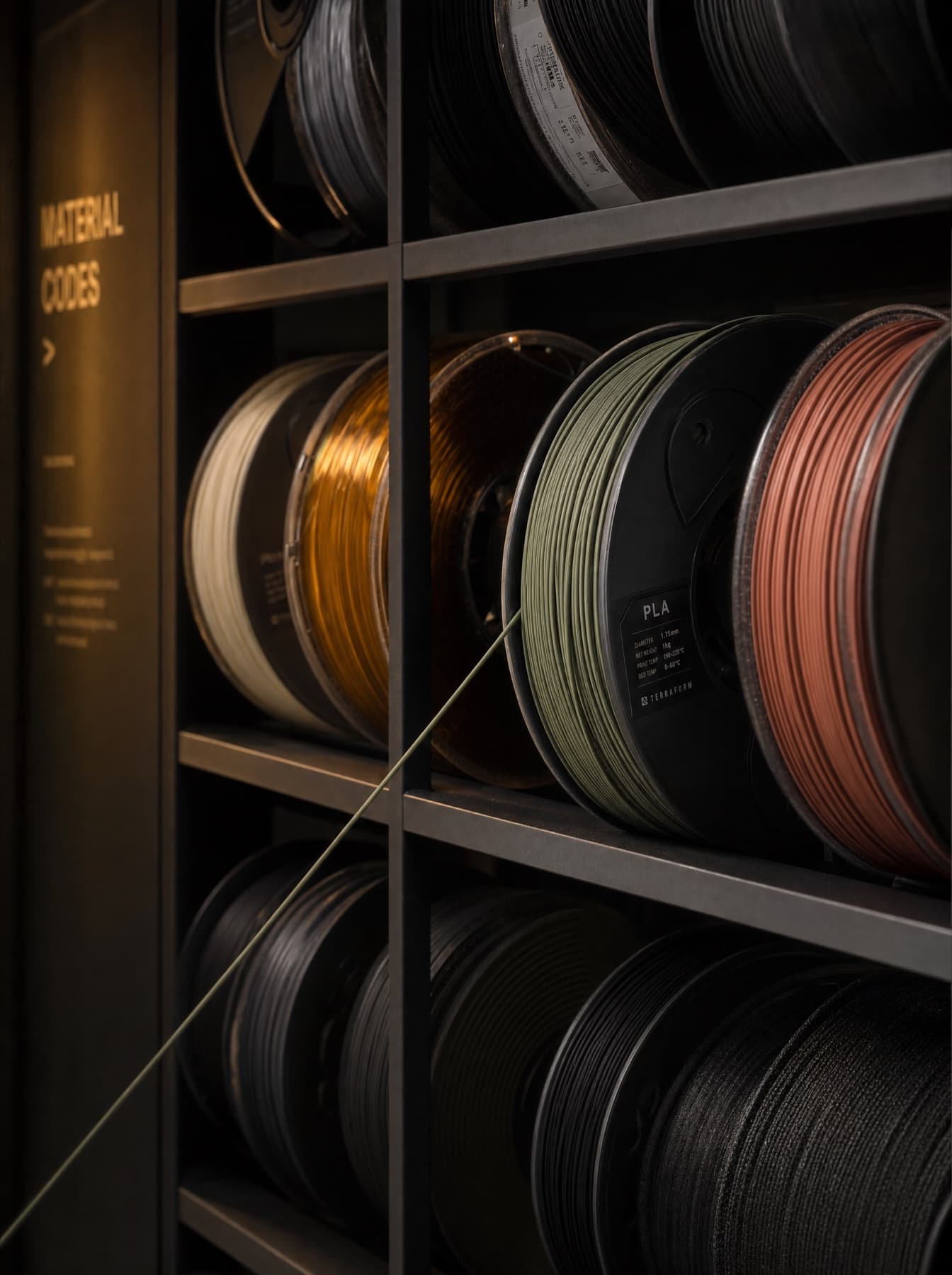
The material decides whether a part survives the job you give it. Here's the short version — organised by where the part ends up, not by datasheet.
5 min read
A few minutes of preparation before you send shortens the path to a quote and prevents surprises later. Here's what we actually need — and what to do if you have no model at all.
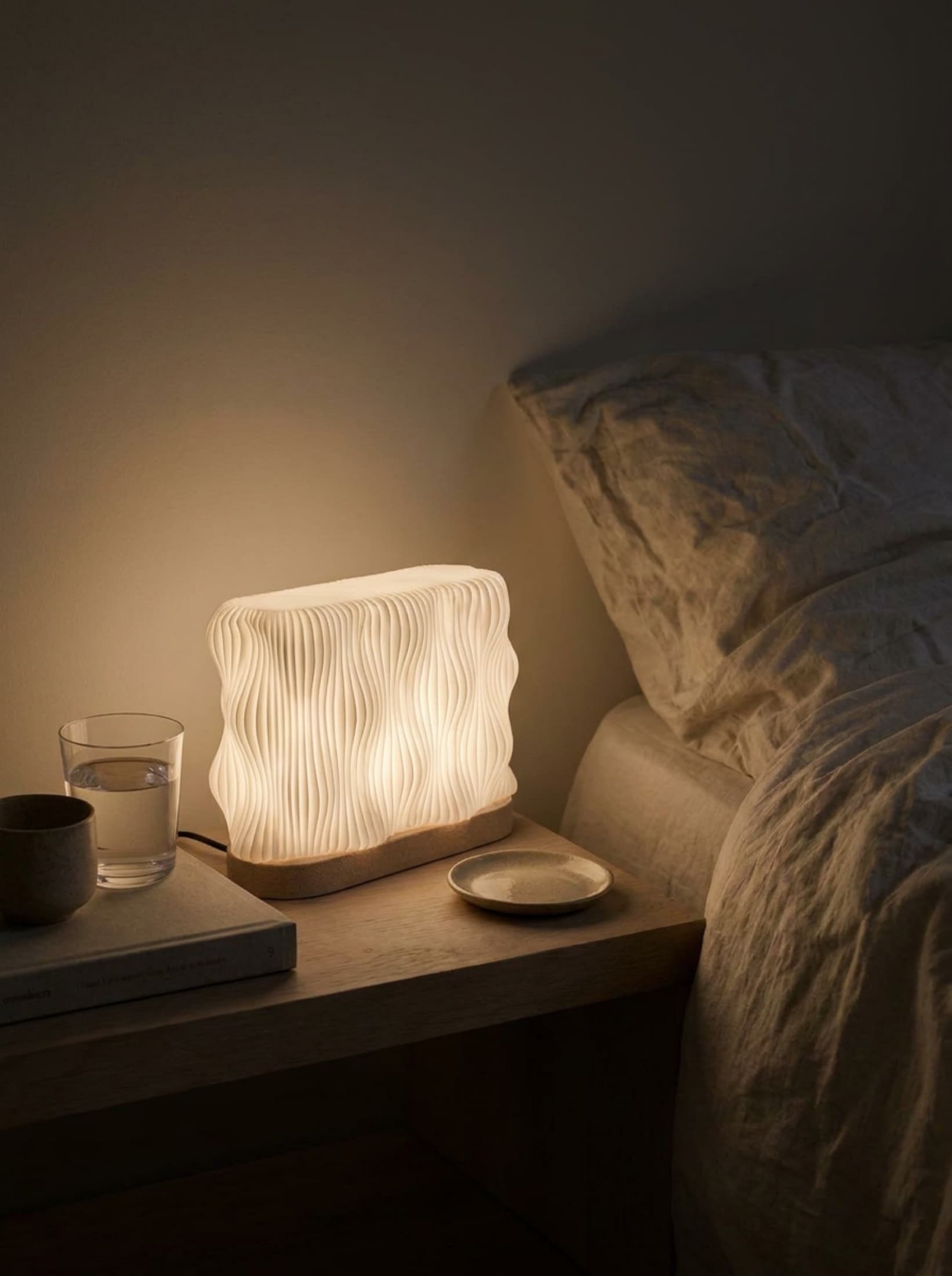
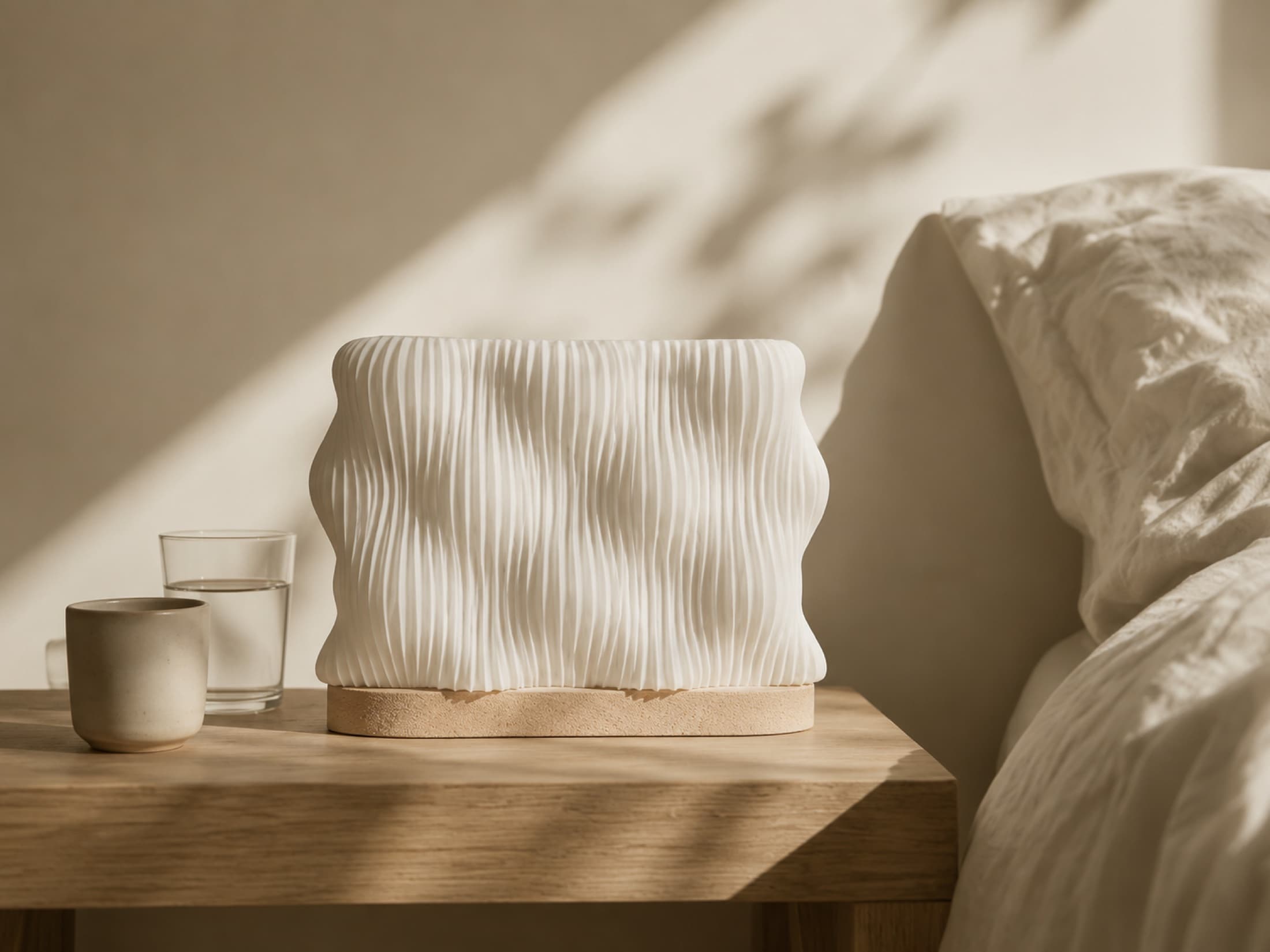
A bedroom is the one room where light isn't there to help you see better, but to help you settle. That changes almost every criterion.
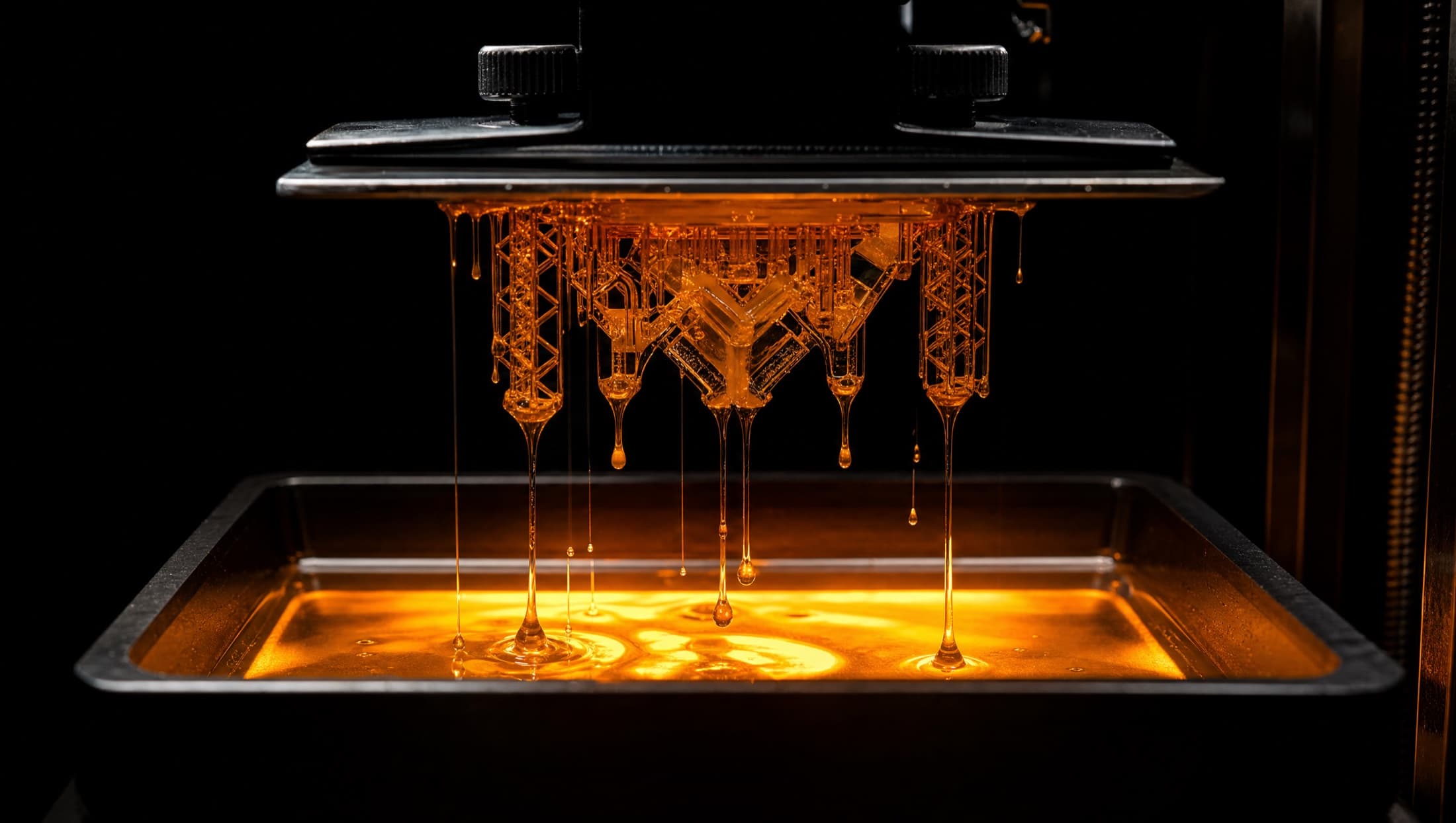
Both are “3D printing”, but they work in completely different ways and solve different problems. The distinction is easiest to grasp through what the part has to do.
One plastic part breaks and the whole appliance becomes scrap, because that part isn't sold any more. It's one of the most common reasons people write to us — and one of the most satisfying jobs.
The short answer: almost nothing. But “almost nothing” isn't a number, so here's how to get one — and why an old bulb in the same lamp changes the whole sum.
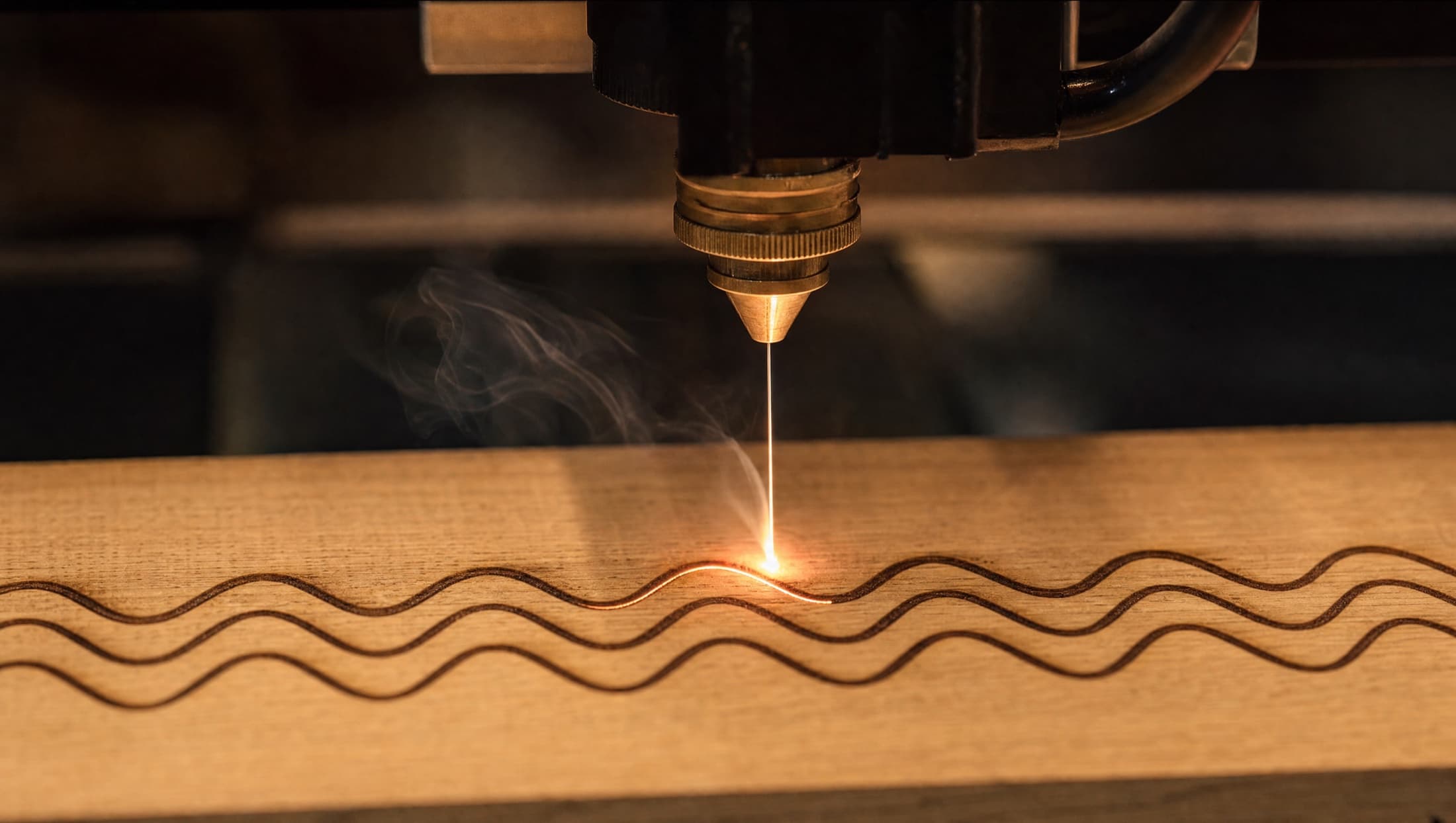
A name, a date or a single sentence turns an ordinary object into something nobody throws away. Here's what engraves well, what doesn't, and how far ahead to order.
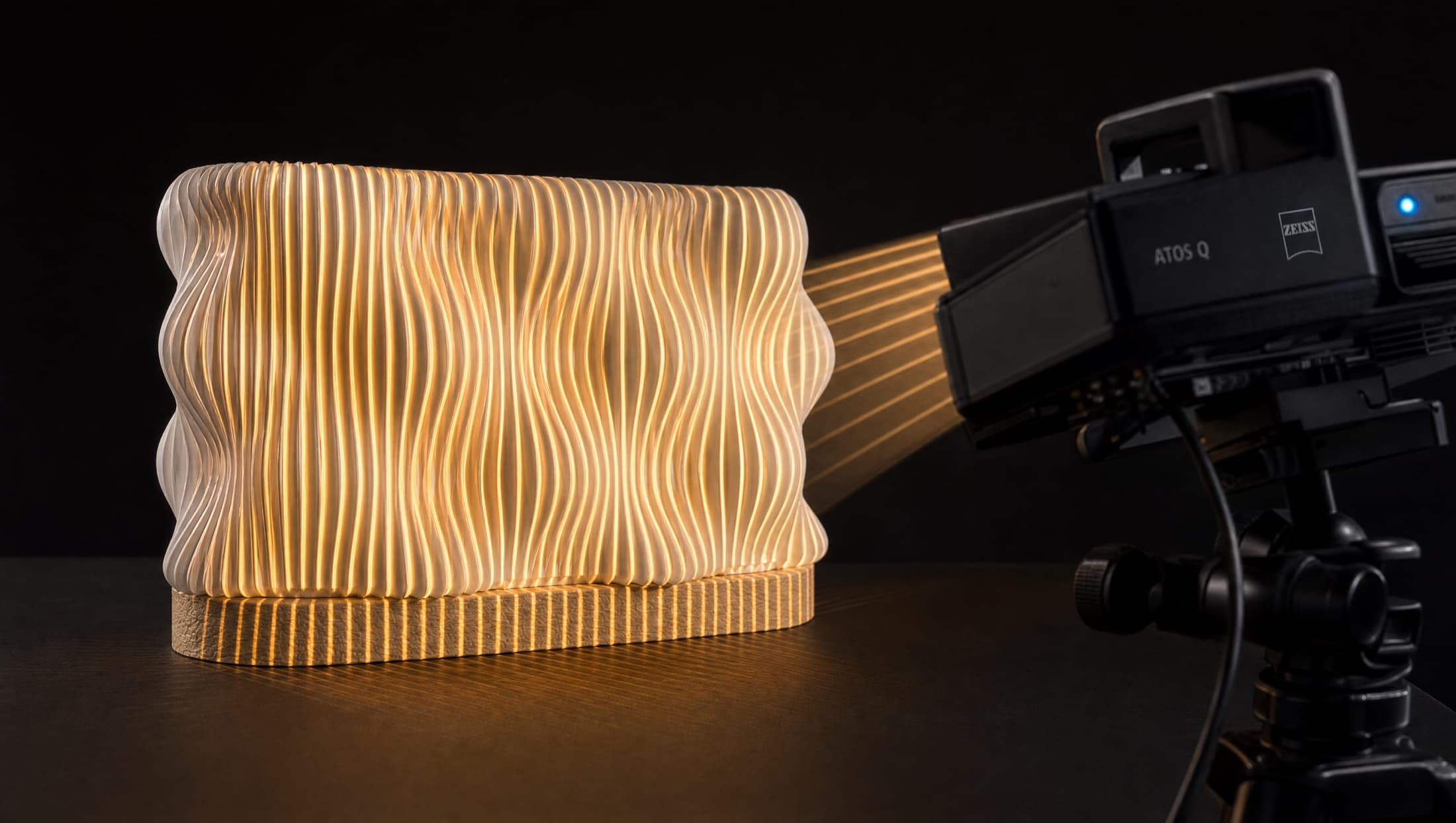
A physical model still wins the meetings a render doesn't. Here's how a project becomes one — and what to prepare before you send the file.
On a printed lamp the colour isn't only aesthetic — it's the filter the light passes through. The same lamp in two shades gives two different moods.